
Why Every Photographer Needs 3 Tripods to Master Any Shooting Scenario
If you ask a seasoned photographer what the most frustrating piece of gear to buy is, they will almost certainly say the tripod. It is the classic photographic paradox: we want a support system that is rock-solid in a hurricane, extends to eye level, folds down small enough to fit inside a daypack, and weighs next to nothing. The harsh reality of physics dictates that such a mythical piece of equipment simply does not exist. This realization brings us to a fundamental philosophy embraced by professionals and advanced enthusiasts alike: the necessity of owning 3 tripods.
Relying on a single tripod usually means compromising on every shoot. If you buy a massive, heavy-duty model, you will eventually leave it at home because it is too cumbersome for travel. If you buy only a micro-tripod, you will find yourself severely limited in landscape or portrait situations. By curating a strategic ecosystem of 3 tripods, you ensure that you always have the exact right tool for the job, eliminating compromises and maximizing your creative potential.
In this comprehensive guide, we will break down exactly why the 3 tripods approach is the ultimate solution for your gear closet, how each type serves a distinct and vital purpose, and how to choose the right models to build your perfect stabilization arsenal.
The Physics of Stabilization: Why One Size Cannot Fit All
Before diving into the specific types of tripods you need, it is crucial to understand why a single tripod fails to cover all bases. Photography is fundamentally about capturing light, and doing so often requires manipulating the exposure triangle—aperture, ISO, and shutter speed. When shooting in low light, capturing long exposures of waterfalls, or shooting astrophotography, your shutter speed drops significantly. Any microscopic movement during this time results in a blurry image.
To effectively mitigate camera shake, a tripod must absorb vibrations from the camera’s mirror slap (in DSLRs), the mechanical shutter, and external environmental factors like wind and flowing water. A tripod’s ability to dampen these vibrations is tied to its mass, the thickness of its leg sections, and the materials used. However, a tripod with immense mass is the enemy of the traveling photographer. Therefore, dividing your needs into three distinct categories allows you to optimize for stability when you need it, and portability when you are on the move.
Pillar 1: The Heavy-Duty Studio and Landscape Workhorse
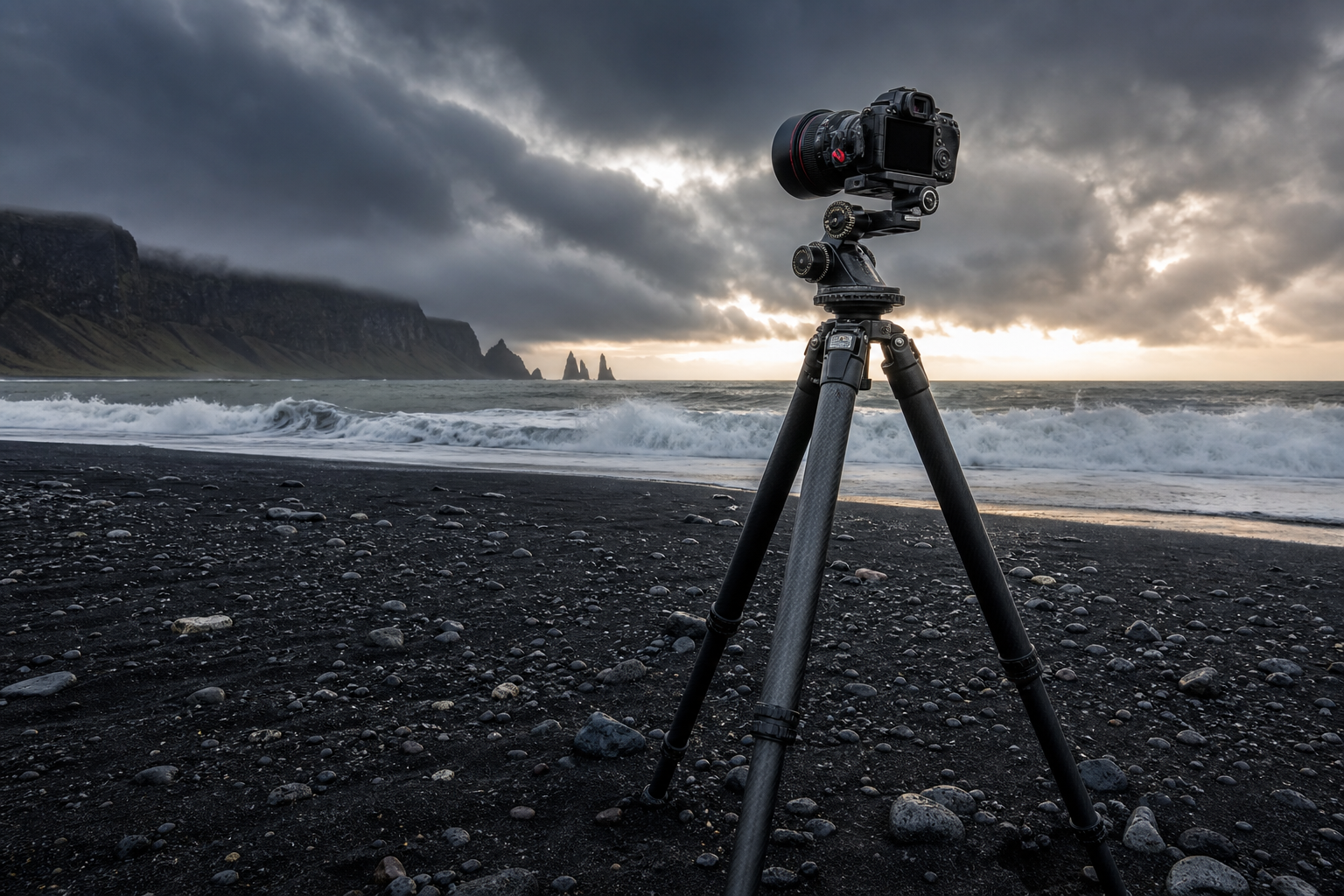
The first of your 3 tripods should be your absolute rock. This is the tripod you rely on when weight is not a primary concern—perhaps you are shooting in a studio, shooting real estate, or driving directly to a landscape location where you only need to walk a short distance from your car.
Key Characteristics:
- Maximum Load Capacity: Designed to hold heavy full-frame cameras with massive telephoto lenses (e.g., 70-200mm or 150-600mm) without a hint of sagging.
- Thick Leg Sections: Usually featuring fewer leg sections (three instead of four or five) to maximize rigidity.
- Height: Extends well above eye level without needing to raise the center column, which is crucial for maintaining a low center of gravity.
- Weight: Typically weighs between 4 to 7 pounds (1.8 to 3.1 kg).
This tripod is your insurance policy against extreme weather. When you are standing on a windy cliff in Iceland trying to capture the Northern Lights, this is the tripod that ensures your 30-second exposures are tack-sharp. It is uncompromising in its stability, but its bulk means it is the one you will leave behind when boarding a flight with strict carry-on limits.
Pillar 2: The Lightweight Travel Companion (The Core of Your Kit)
If you only have the budget to start with one support system before expanding to your full 3 tripods setup, this is where you begin. The travel tripod is the undisputed workhorse of the everyday photographer. It strikes the perfect balance between portability and functionality. You need something that won’t break your back during a 10-mile hike, yet extends high enough to frame a beautiful landscape.
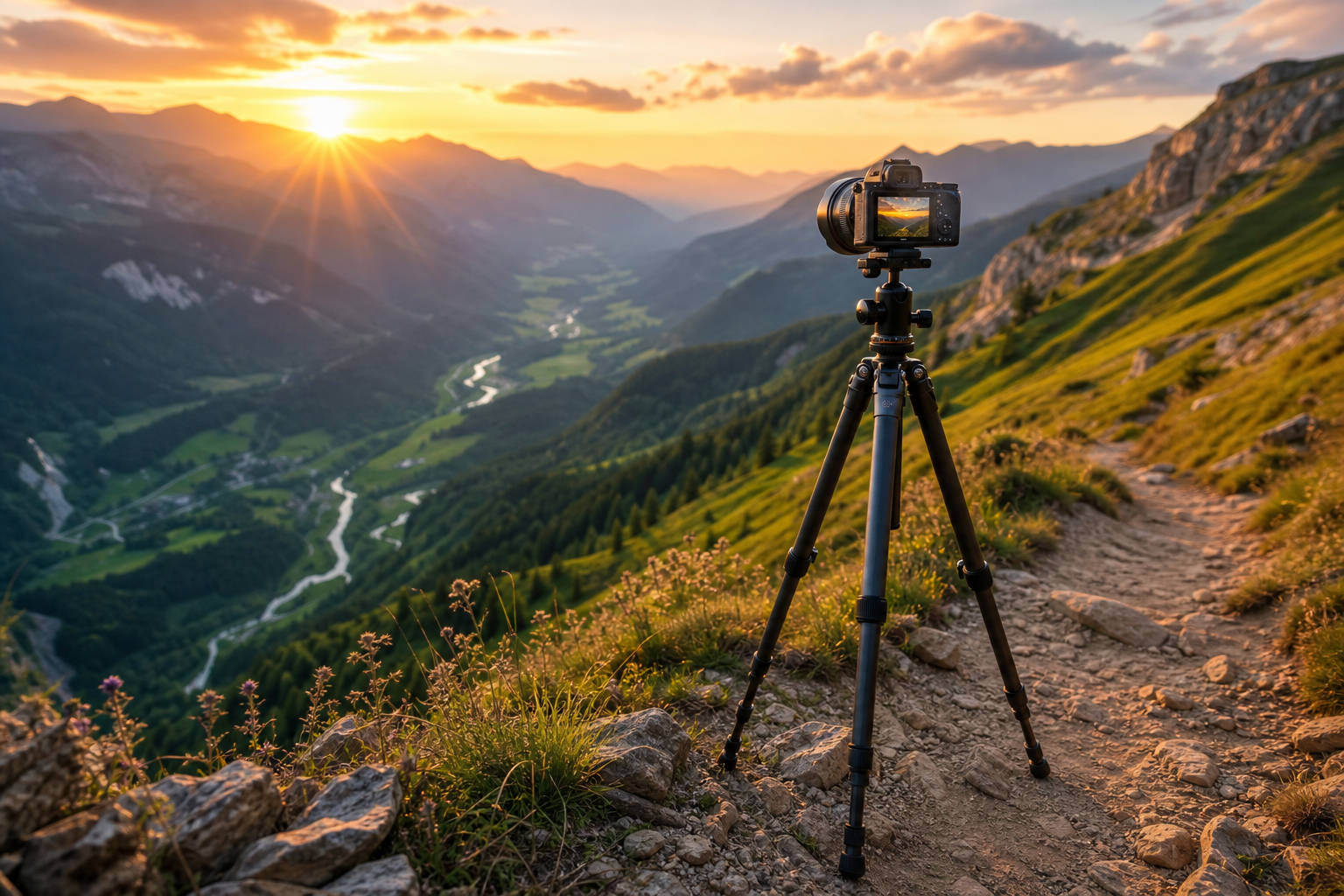
For this critical middle ground, aluminum alloy is often the material of choice for its durability and cost-effectiveness. A perfect example of this is the Lightweight 55-inch Aluminum Alloy Tripod. This type of gear embodies exactly what the second pillar requires:
- Versatile Mounting: It utilizes the standard 1/4-20 UNC tripod thread, making it universally compatible with both dedicated mirrorless cameras and, via adapters, modern smartphones.
- Optimal Height-to-Weight Ratio: Reaching 55 inches gives you the elevation needed for standard portraits and landscapes, while the aluminum construction keeps the weight manageable for all-day carrying.
- Quick Deployment: Travel photography often requires speed. Features like quick-flip leg locks allow you to set up in seconds when the light suddenly changes.
This tripod is your go-to for family vacations, backpacking trips, and urban exploration. It integrates perfectly with various action camera accessories, allowing you to seamlessly switch from shooting a high-resolution landscape on your DSLR to capturing a behind-the-scenes timelapse on your GoPro.
Pillar 3: The Tabletop / Mini Tripod
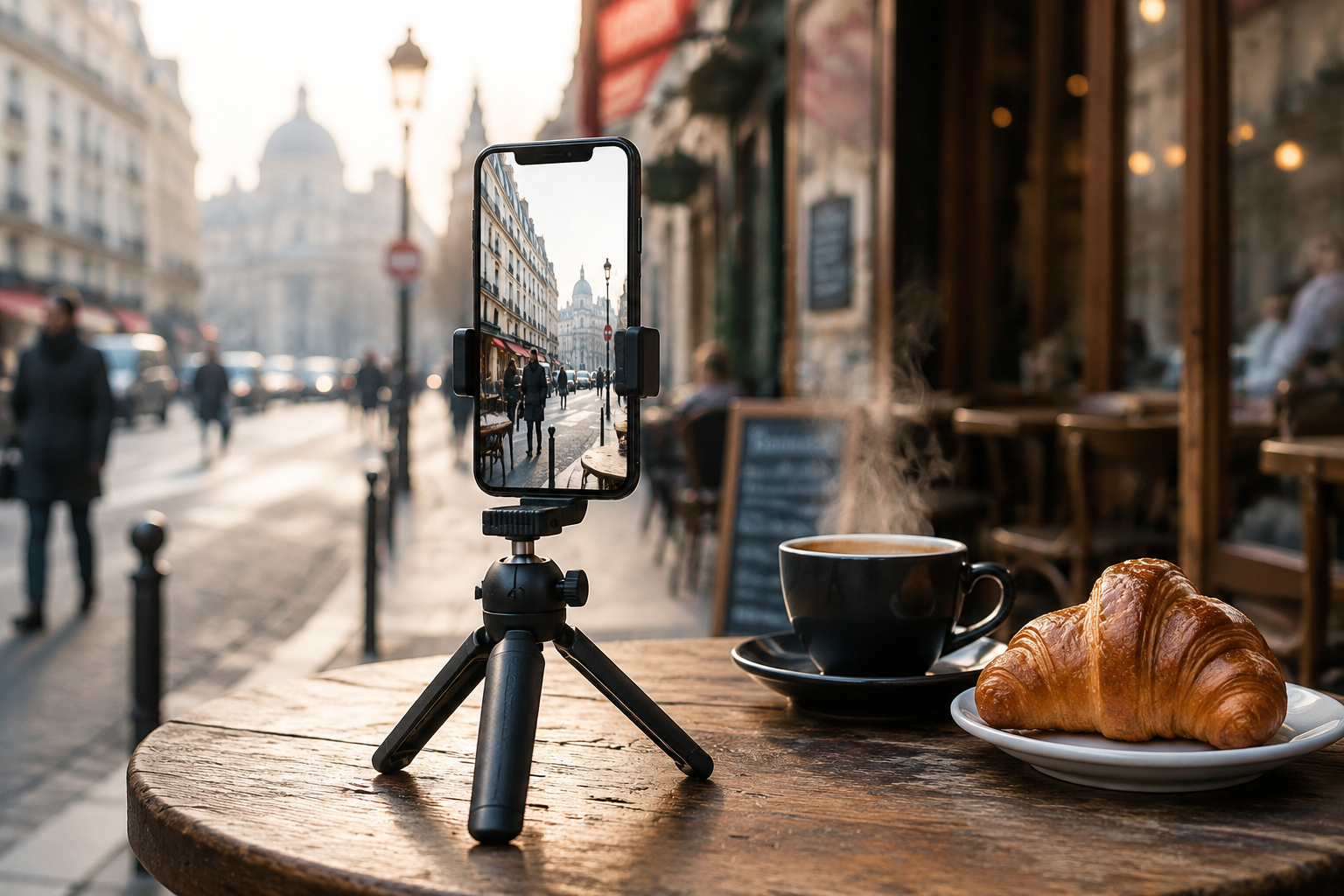
The final piece of the 3 tripods puzzle is the mini or tabletop tripod. Many photographers underestimate this tiny tool until they find themselves in a situation where a full-sized tripod is banned (such as in many museums, churches, or crowded tourist attractions) or physically impossible to use.
Why You Need It:
- Vlogging and Content Creation: A mini tripod doubles as a handgrip, making it one of the most vital vlogging gear essentials for creators on the move.
- Macro Photography: Getting inches away from the ground to photograph fungi, insects, or flowers is incredibly difficult with a full-sized tripod. A mini tripod gets your camera right into the dirt.
- Everyday Carry (EDC): It fits in a jacket pocket or a small sling bag. You can pair it with reliable phone tripod mounts to ensure you always have a stabilization method with you, even if you only brought your smartphone.
Comparing Your Arsenal: The 3 Tripods Matrix
To better understand how these three supports complement each other, let’s look at a structural breakdown of their specifications and ideal use cases. Building this ecosystem ensures you never have to force a piece of gear to do a job it wasn’t designed for.
| Tripod Type | Average Weight | Ideal Payload | Best Use Scenarios | Primary Advantage |
|---|---|---|---|---|
| Heavy-Duty / Studio | 4.5 – 8.0 lbs | 15 – 30+ lbs | Astrophotography, High Winds, Studio, Heavy Telephoto | Uncompromising stability in extreme conditions. |
| Lightweight Travel | 2.0 – 3.5 lbs | 5 – 12 lbs | Hiking, Backpacking, Street Photography, Travel | Perfect balance of portability and functional height. |
| Mini / Tabletop | 0.5 – 1.0 lbs | 2 – 6 lbs | Vlogging, Macro, Low-angle, Restricted Locations | Pocket-sized convenience and extreme low angles. |
How the 3 Tripods System Elevates Your Workflow
Adopting the 3 tripods philosophy does more than just fill your gear closet; it fundamentally changes how you approach a shoot. When you are packing for a trip, you no longer have to agonize over whether to bring a tripod. You simply select the one that matches the day’s itinerary.
Furthermore, having multiple tripods allows for multi-camera setups. Many modern creators shoot video and stills simultaneously. You can set up your heavy-duty tripod with your main camera to capture a sweeping time-lapse, use your lightweight aluminum tripod to record a B-roll video of yourself working, and use your mini tripod to hold an external audio recorder or a small LED light. The versatility is endless.
Material Matters: Building Your Collection Smartly
As you build your collection of 3 tripods, you will frequently encounter the debate between carbon fiber and aluminum alloy. Carbon fiber is celebrated for its vibration-dampening properties and lighter weight, but it comes at a premium price point. Aluminum alloy, on the other hand, is incredibly durable, resistant to cracking under impact, and significantly more affordable.
A smart strategy for many photographers is to mix and match materials based on the tripod’s purpose. For your heavy-duty tripod, carbon fiber might be worth the investment to keep the massive frame somewhat manageable. However, for your everyday travel companion, a high-quality aluminum build—like the 55-inch model mentioned earlier—provides exceptional rigidity and peace of mind. You won’t have to worry about it getting banged up against rocks while strapped to the outside of your hiking bag.
Frequently Asked Questions (FAQ)
Can I just buy one expensive, high-end tripod instead of 3 tripods?
While a high-end carbon fiber travel tripod is a fantastic tool, it still cannot defy physics. It will never be as stable in gale-force winds as a dedicated heavy-duty studio tripod, and it will never be small enough to fit in your jacket pocket like a mini tripod. The 3 tripods system is about having specialized tools rather than one compromised “jack-of-all-trades.”
What is the ideal weight for a travel tripod?
For a travel tripod, you generally want to aim for a weight between 2.5 to 3.5 pounds (1.1 to 1.6 kg). This weight range is light enough to carry on a day-long hike without causing fatigue, but heavy enough to provide adequate stabilization for a standard mirrorless or DSLR camera setup. Aluminum alloy models in this weight class offer excellent durability for travel.
Do I need different tripod heads for each of my 3 tripods?
It depends on your shooting style, but generally, yes. A heavy-duty tripod benefits from a geared head or a heavy-duty ball head for precise landscape framing. A travel tripod is best paired with a compact, low-profile ball head for quick adjustments. A mini tripod often has a built-in ball head to keep the form factor as small as possible. Ensuring they all use the same quick-release plate system (like Arca-Swiss) will make your workflow seamless.
How do I prevent my lightweight travel tripod from tipping in the wind?
Many quality travel tripods feature a hook at the bottom of the center column. You can hang your camera bag or a small stuff sack filled with rocks from this hook. This lowers the center of gravity and adds mass to the setup, significantly increasing stability in windy conditions without requiring you to carry a heavier tripod.
Conclusion: Embrace the Ecosystem
Stop searching for the one perfect tripod that does it all—it is a pursuit that only leads to frustration and compromised photographs. By understanding and implementing the 3 tripods strategy, you empower yourself to shoot in any environment, under any conditions, with absolute confidence. From the unshakeable foundation of a heavy-duty rig to the pocketable convenience of a mini stand, and anchored by a reliable, lightweight aluminum travel companion, this ecosystem ensures your gear never holds back your creative vision.
Ready to upgrade the core of your stabilization arsenal? Start by securing a versatile, durable travel companion that will accompany you on 90% of your photographic journeys.